


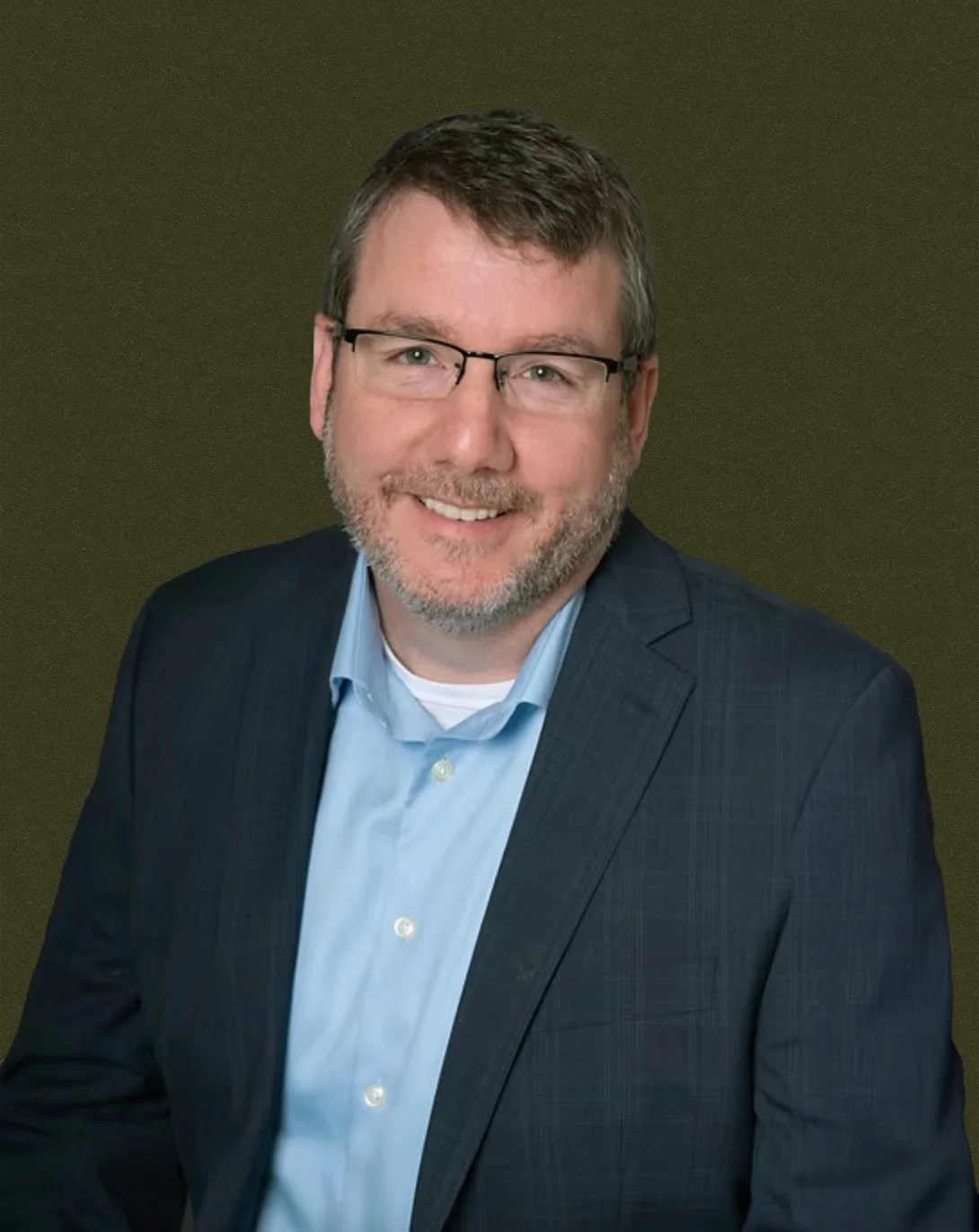
People say therapists often come from some kind of pain.
In my case, that’s true. It’s something of a miracle my siblings and I made it out of childhood alive.
In college, I didn’t know what I wanted to be when I grew up. I was in this class for kids who were equally undecided and they put out the word that any of us could see a counselor for help. So the first time I was ever in therapy I found myself crying for an hour in a counselor’s office with pain I didn’t understand and couldn’t name. She sat there quietly, made me feel safe. And that was when I discovered that I wanted to do what she does: to make others feel safe.
After graduation, I worked on the children’s unit of a psychiatric hospital. Even though I eventually decided that I prefer working with adults, this experience helped me learn a whole lot about my own childhood.
A little more than 30 years ago my brother invited me to move to Seattle with him. I pursued graduate training and have been a Licensed Mental Health Counselor in Washington since 1999. I've worked as a case manager and therapist at two wildly stressful public mental health clinics, and then for two decades as a Dialectical Behavioral Therapy (DBT) skills trainer (six years under Marsha Linehan herself). During that time, I also trained in couple therapy with the Gottmans, sex therapy, Emotionally Focused Therapy (EFT) and finally PACT—a specialized, experiential couple counseling method. Yes, the acronyms make my head spin too.
The real reason anyone walks through my door is to come to terms with this: there's nothing wrong with you. For most, that's a hard thing to accept. It doesn't mean you don't have real troubles, but more often than not, the trouble traces back to a mistaken belief about who we are, or who we're supposed to be. Relief tends to come when we can acknowledge ourselves as we actually are, and let go of the struggle to be good, or more, or better.
In my work, I pay careful attention to what I'm observing both in me and in you. Any good dynamically oriented therapist does that. I’ve just been at it for a really long time and have those years of experience to draw from. I've also spent much of my adult life in therapy myself. It's a lot less risky being the therapist than being the client, so I try to show up with the kind of authenticity that I encourage in you.
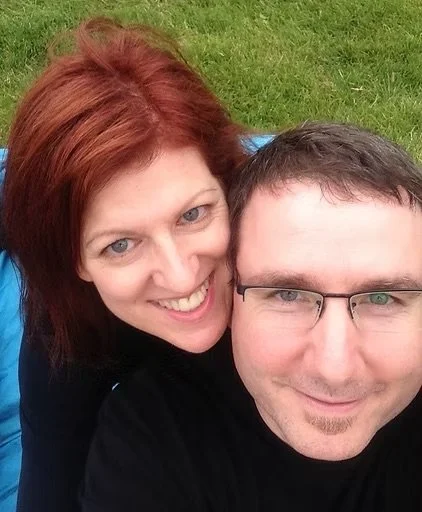
On a personal note, I've been happily married to my wife, Colleen, for more than 20 years. She is my great love. She has taught me more about what it is to be a husband, a man, and a human than I could ever say. We share a home here in Seattle.


PODCASTS